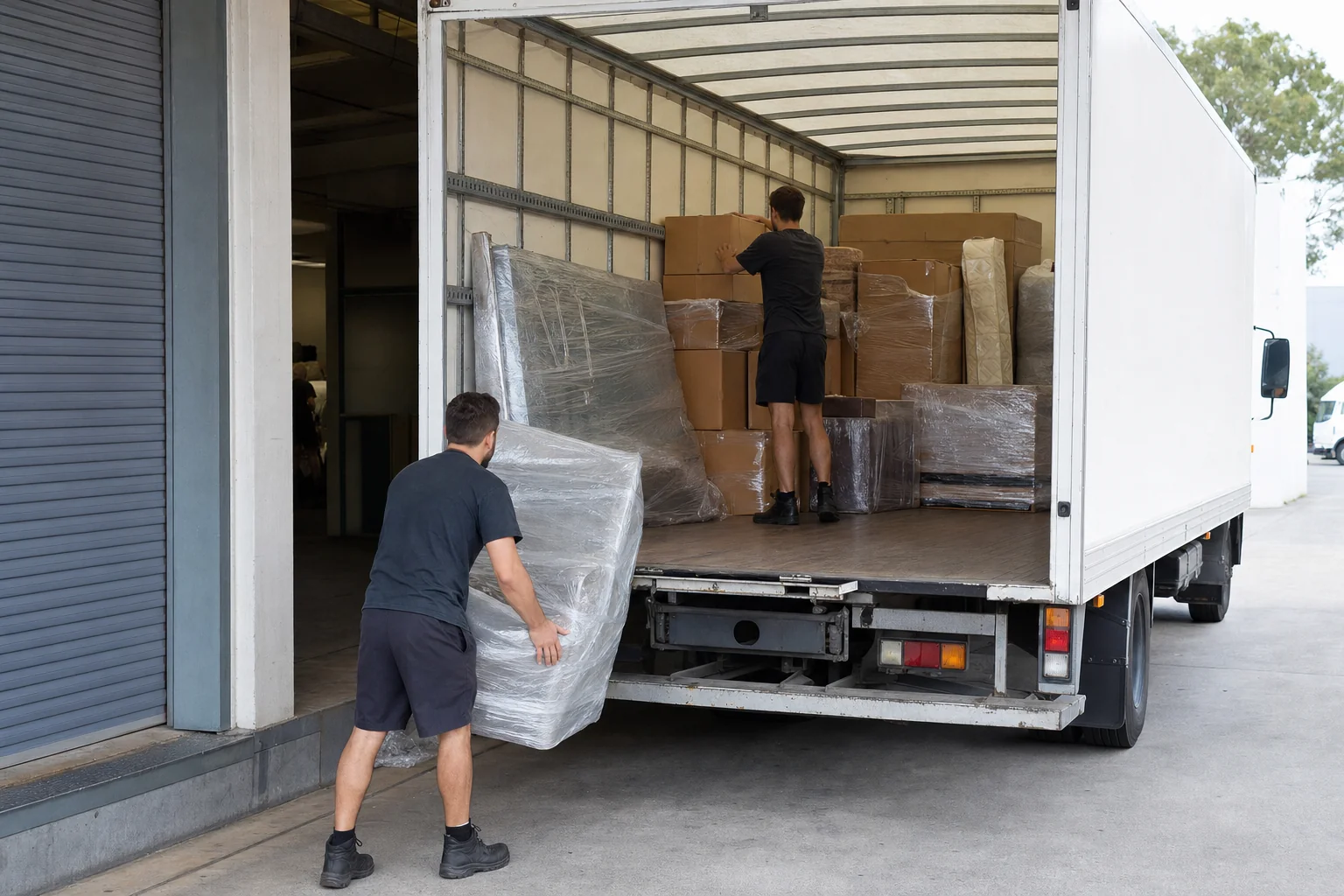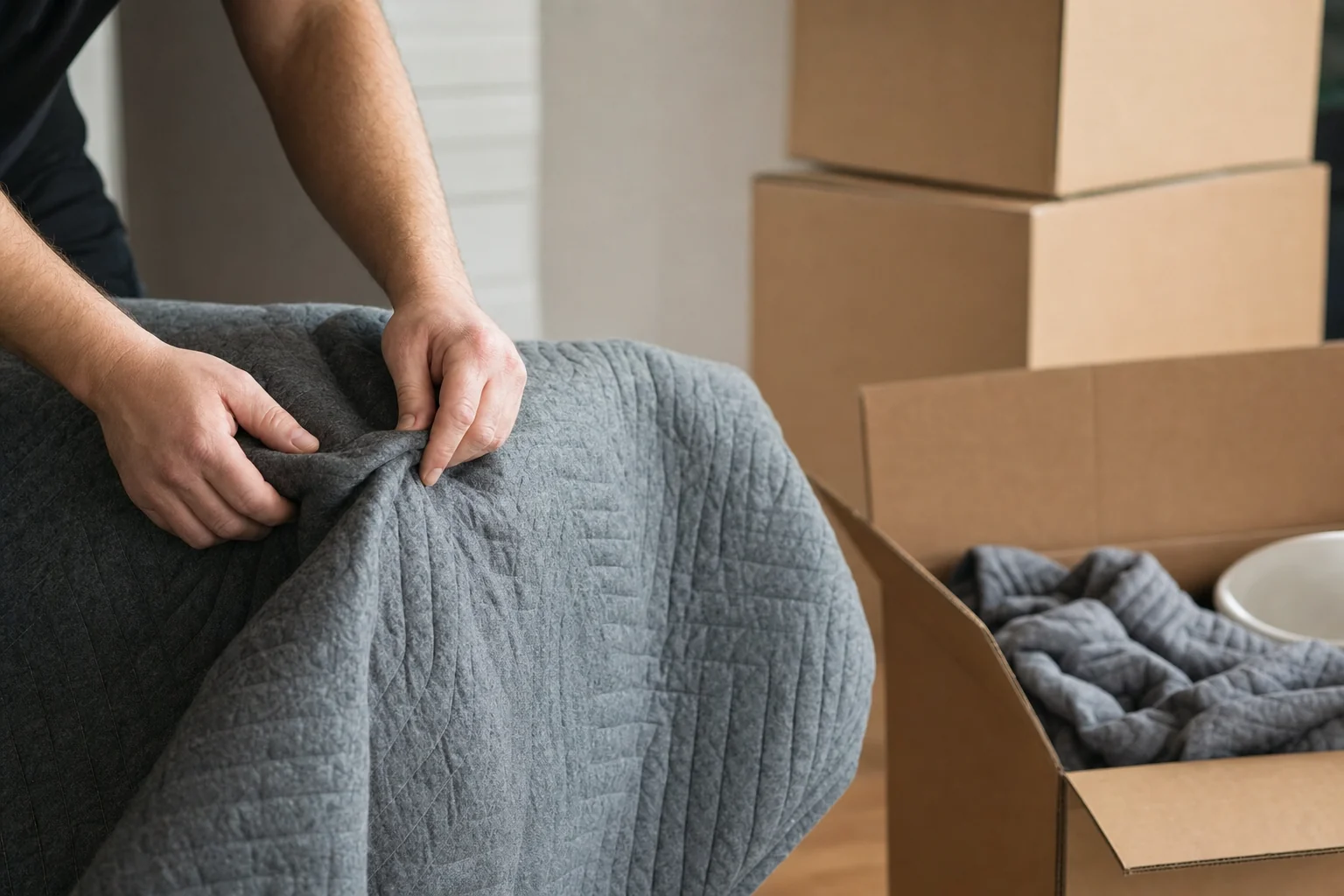
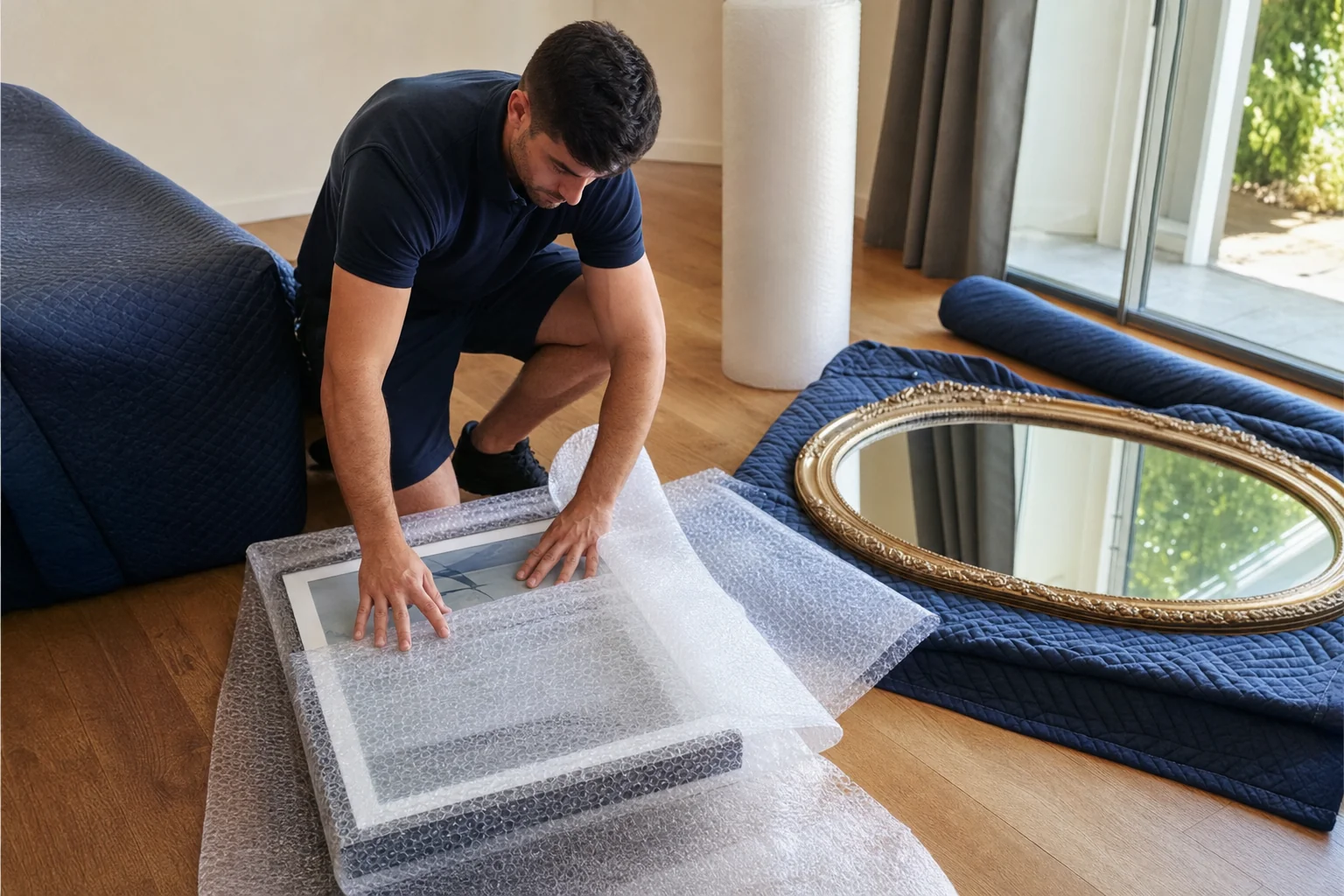
Fragile items break on interstate moves because of vibration and shifting over 870 km, not single big knocks. The fix is to wrap each item individually, fill every void so nothing moves, and never overload a box, a snug, well-cushioned carton survives the Hume Highway.
Key takeaways
- Vibration, not impact, is what breaks fragiles on long hauls
- Wrap each item separately and fill all empty space
- Plates travel on their edge, not stacked flat
- Use double-walled boxes and don't overload them
- Mark cartons fragile and this-way-up on every side
- Get the right materials before you start packing
Why fragiles break on long hauls
A local move is over in an hour. An interstate move is the better part of a day of constant highway vibration, and that's a different challenge entirely.
It's rarely one big drop that does the damage. It's hundreds of kilometres of small movements letting loosely packed items rub, shift and knock together.
The enemy is empty space
Any gap in a box lets the contents move. On a long haul, movement is what cracks glass and chips china, so fill every void.
Get the right materials first
Good packing starts with the right kit. Trying to make do with supermarket boxes and newspaper is a false economy on an 870 km trip.
- Double-walled cartons for anything fragile
- Butcher's paper or packing paper, ink-free so it won't mark
- Bubble wrap for the most delicate pieces
- Specialty boxes with dividers for glasses and stemware
- Strong packing tape and a marker pen
Newsprint marks your china
Newspaper ink rubs off onto plates and glassware. Use clean butcher's paper or packing paper instead, it's cheap and it won't leave you scrubbing.
How to pack fragiles properly
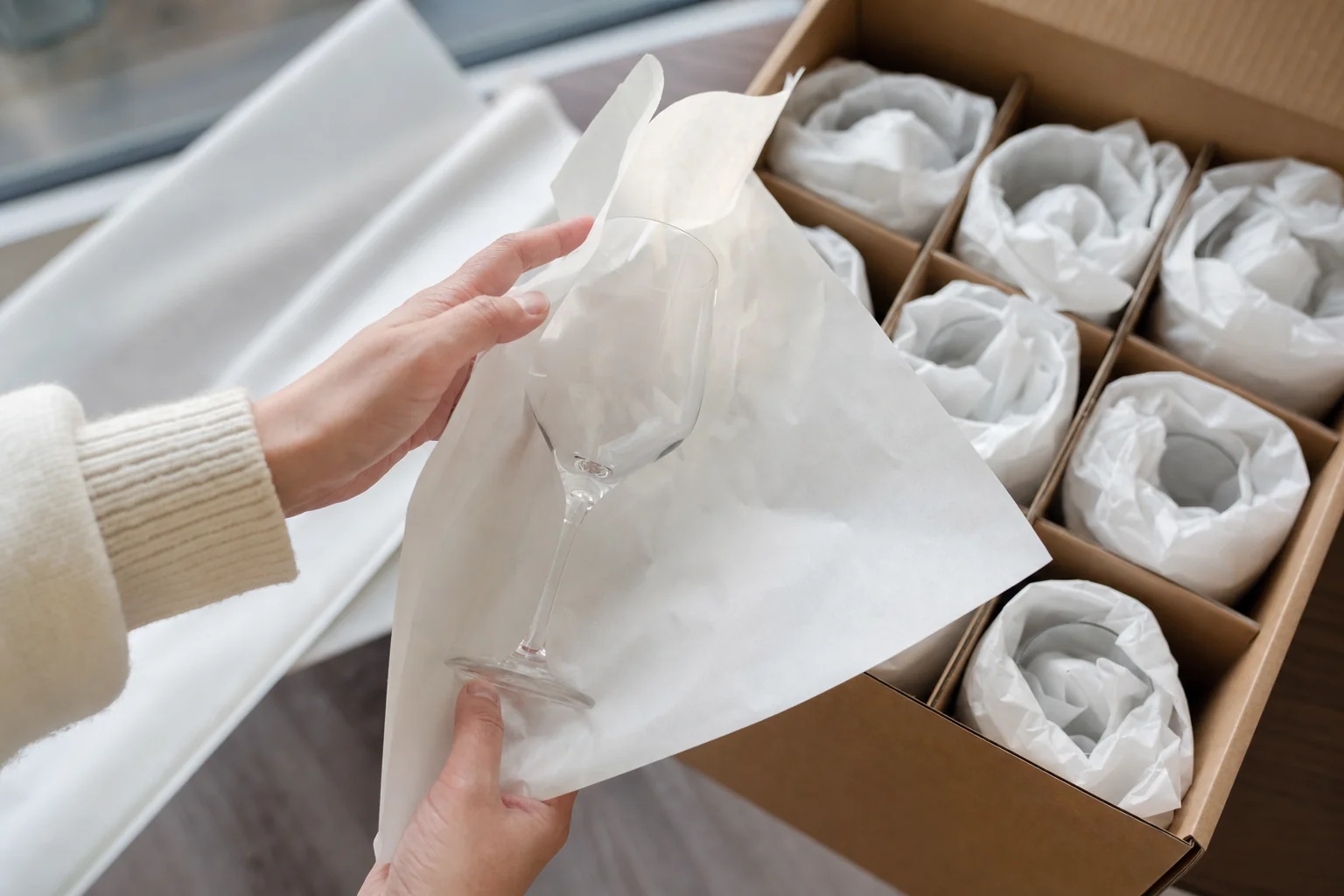
Glassware and stemware
Wrap each piece in paper, stand glasses upright in a divided carton, and pack the heaviest at the bottom. Never let two glasses touch bare.
Plates and ceramics
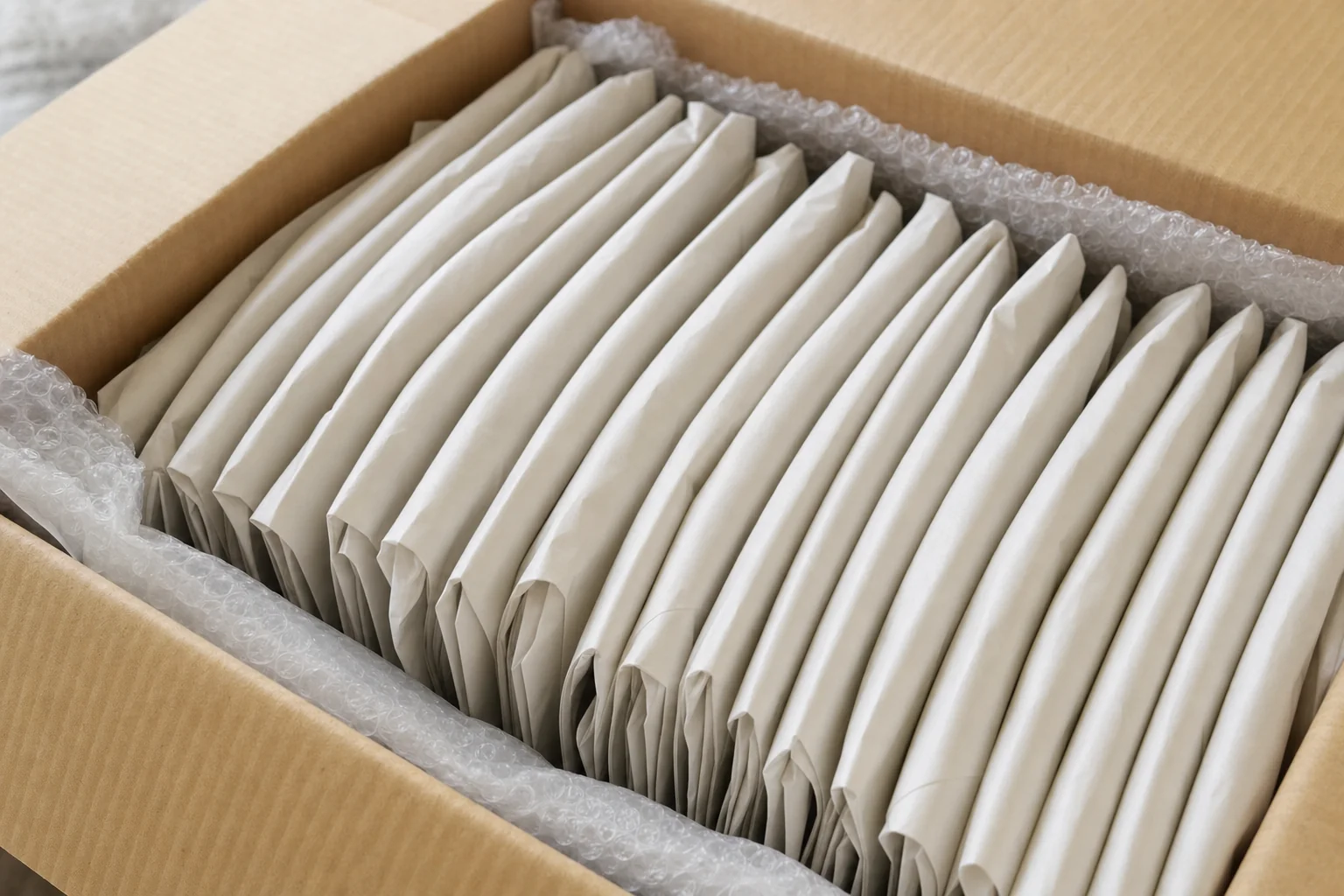
Wrap plates individually and stand them on their edge like records, not stacked flat. On their edge they resist pressure far better.
Electronics
Use original boxes where you can. Otherwise wrap screens in foam or blankets, keep them upright, and cushion all around with no room to slide.
Artwork and mirrors
Tape a cross over glass to hold it if it cracks, wrap in bubble wrap, and stand framed pieces on their edge between mattresses or in a picture carton. Never lay them flat where something can be stacked on top.
- Double-walled boxes for anything fragile
- Paper or bubble wrap on every item
- Voids filled with paper, foam or towels
- Boxes not overloaded, heavy means hard to handle
Label so it's handled right
A box is only treated as fragile if it's clearly marked. Write FRAGILE and THIS WAY UP on multiple sides so it's obvious however the carton is picked up.
Note the room it belongs to as well, so fragile boxes can be set down somewhere safe rather than stacked under heavier cartons at the other end.
A snug, well-cushioned, clearly labelled box beats an expensive one packed in a hurry every time.